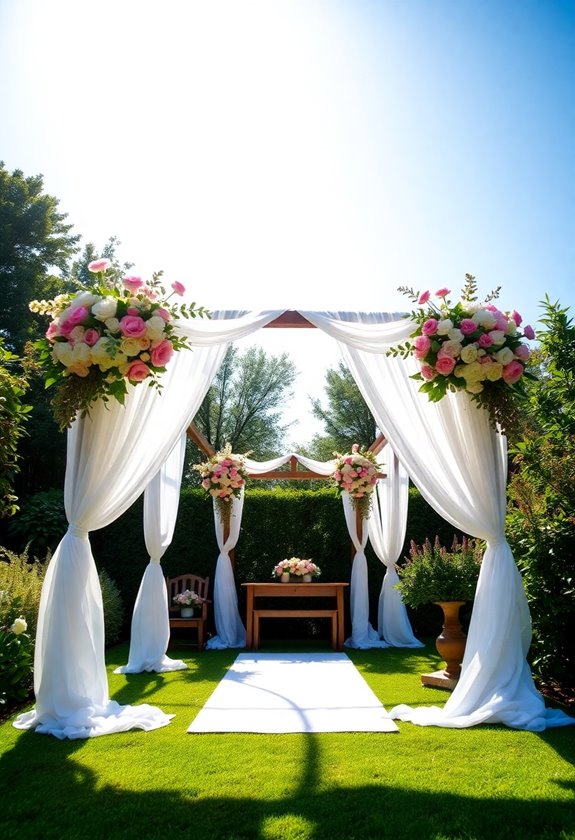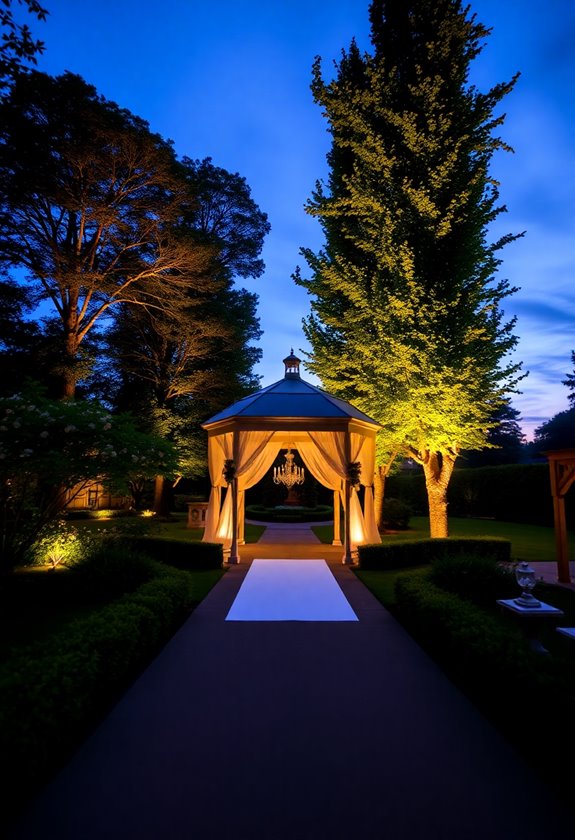
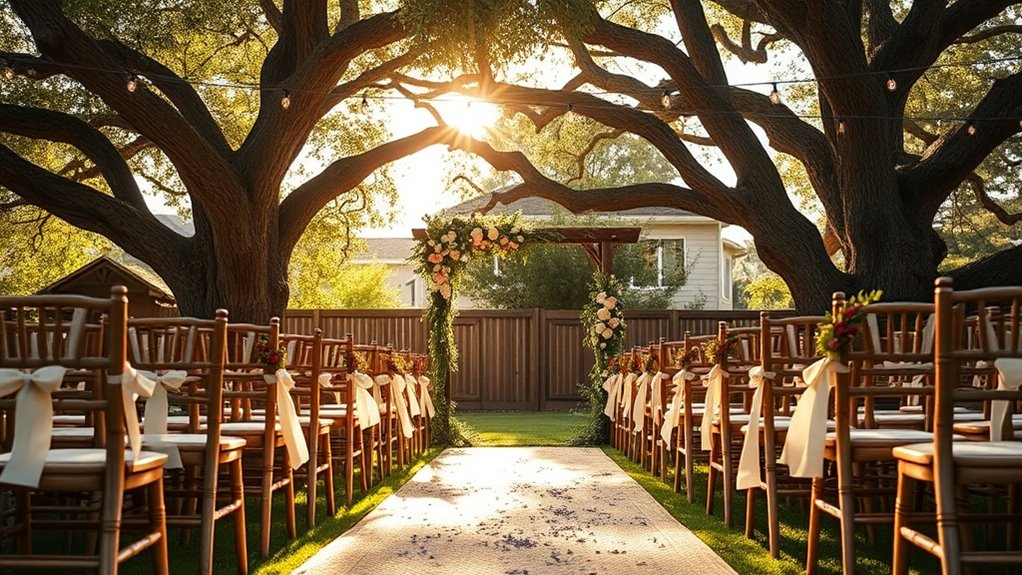
Cheap wedding venues exist beyond bridal sites — breweries, bowling alleys, public parks, and community halls are hosting stunning weddings for a fraction of traditional ballroom pricing. But the sneaky fees hiding in “affordable” contracts can wreck a budget just as fast as an expensive venue can. Knowing where to look, what to ask, and which fees to push back on is the difference between an $800 wedding and a $5,000 surprise.r budget if you skip these tricks.
Set a Realistic Budget for Your Wedding Venue

That “$3,000 site fee” isn’t really $3,000. Venue quotes almost never represent the full cost — they represent the starting point before mandatory add-ons get layered on top.
A realistic venue budget accounts for the base rental fee, plus several categories that venues frequently itemize separately: liability insurance requirements, security deposits, cleaning fees, overtime charges beyond the contracted end time, and vendor coordination fees if the venue requires using an approved vendor list.
The formula that protects couples from five-figure regrets: take the quoted site fee and multiply by 1.4 to 1.6 to estimate the realistic total cost once mandatory add-ons are included. A $3,000 quoted fee realistically lands between $4,200 and $4,800 once insurance, cleaning, and overtime buffers are factored in.
Local regulations also affect the true cost. Some municipalities require special event permits for weddings above a certain guest count, particularly for outdoor or public venues. Checking with the local city or county clerk’s office before finalizing a venue budget prevents a permit fee from becoming a last-minute surprise. These are important local regulations to ensure your budget covers all necessary permits and fees.
Where to Search for Cheap Wedding Venues Online

Bridal portals like The Knot and WeddingWire prioritize venues that pay for premium listing placement — which means the most affordable options in a given area often don’t appear on the first several pages of search results, if they appear at all. Consider looking for venues that enhance natural scenery to elevate your celebration without breaking the bank. Better sources for budget venue hunting include:
Peerspace and Giggster — platforms originally built for photo shoots and events that list unique spaces (warehouses, galleries, rooftops) often overlooked by traditional wedding venue searches, frequently at lower rates than dedicated wedding venues.
Local parks and recreation department websites — most cities maintain a list of bookable public spaces — pavilions, garden spaces, historic buildings — with published rental rates that undercut private venues significantly.
Facebook Marketplace and local wedding groups — venues that don’t have marketing budgets for premium bridal site placement often post directly to local community groups, and off-market venues are frequently open to negotiation since they’re not competing on a crowded listing page.
Direct outreach to breweries, wineries, and event spaces — many don’t actively market as wedding venues but will host events, sometimes at rates 40% or more below venues that specifically brand themselves as wedding spaces.
Searching directly rather than exclusively through bridal portals consistently surfaces options that cost less because they’re not paying for premium wedding-industry marketing that gets baked into the price.
Non-Traditional Wedding Venues That Cost a Fraction
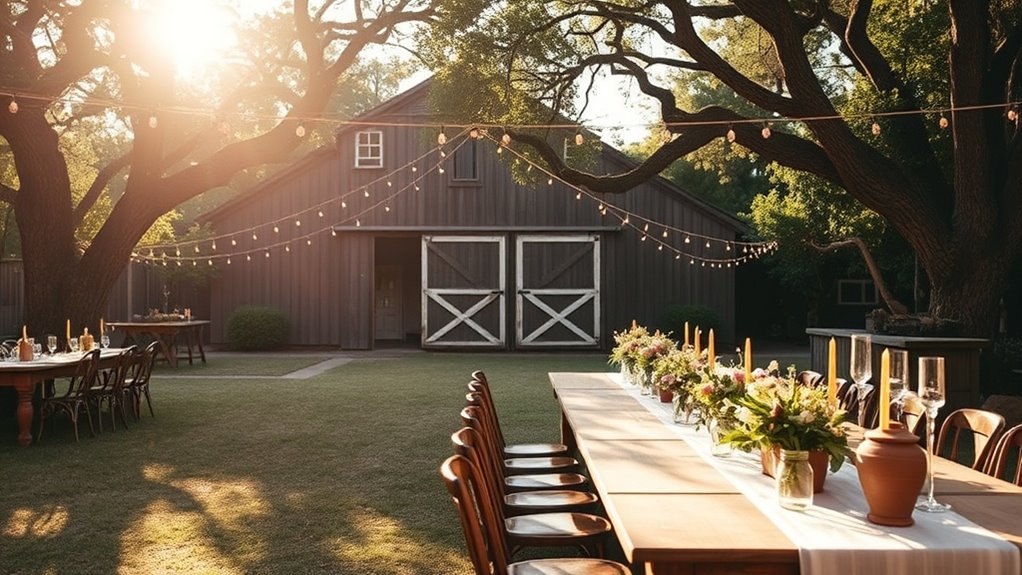
Ballrooms carry premium pricing partly because of what they are and partly because of what they’re marketed as. The same square footage in a non-traditional space frequently costs a fraction of the price.
Breweries and wineries often host events for $500 to $1,500 in rental fees, particularly on weekdays or during off-peak production periods. Many include tables and some furnishings, and the on-site bar eliminates a separate alcohol vendor cost entirely.
Bowling alleys — genuinely underused as wedding venues — can run $300 to $800 for a full facility rental during off-hours, often including built-in sound systems and casual seating that reduces additional rental needs.
Restaurants with private event spaces frequently rent their private rooms for $200 to $600 during slower service periods, with catering built directly into the venue cost rather than requiring a separate caterer.
Art galleries and studio spaces rent for $400 to $1,200 depending on market, and the existing aesthetic often reduces decor costs since the space is already visually interesting.
The tradeoff with non-traditional venues is usually logistics — fewer built-in bridal accommodations, more coordination required for tables, chairs, and layout. For couples willing to handle more of that coordination themselves, the cost savings are substantial. Consider incorporating memorial table signs to add a personal touch that honors loved ones, creating a unique atmosphere without increasing costs.
Public Parks and Beaches That Make Stunning Venues
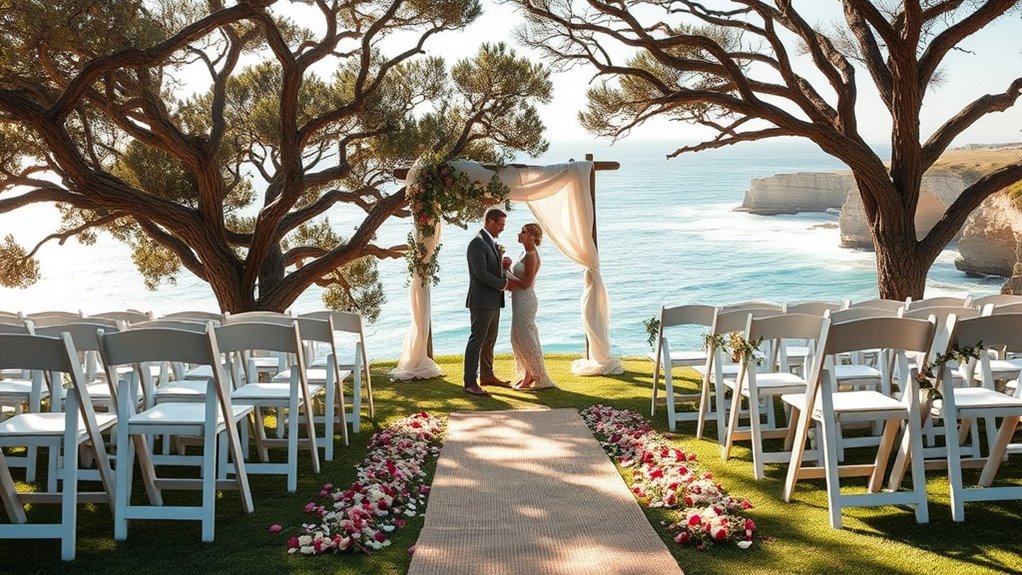
Skip the $10,000 venue fee. Public parks and beaches deliver breathtaking ceremonies for 70% less—if you know these permit secrets first. Most municipalities require a special event permit for weddings held in public parks, particularly for gatherings above 25-30 guests. The permit process usually requires application 30-90 days in advance, proof of liability insurance (often available as a one-day policy for $75-150), and sometimes a refundable damage deposit.
Beach weddings carry additional considerations. Many coastal areas require permits specifically for beach ceremonies, separate from general park permits, and some restrict amplified sound, tent installations, or guest count above a certain threshold. Checking with the specific parks department — county, city, or state depending on the beach — before committing to a beach ceremony date prevents a permit denial from derailing wedding plans.
Ample outdoor space also matters practically — parks and beaches with dedicated pavilion or gathering areas provide a fallback for weather contingencies that a completely open beach or field doesn’t offer. Additionally, consider venues with ample outdoor space to enhance your ceremony’s aesthetic and comfort.
Community Halls and Civic Buildings Worth a Look
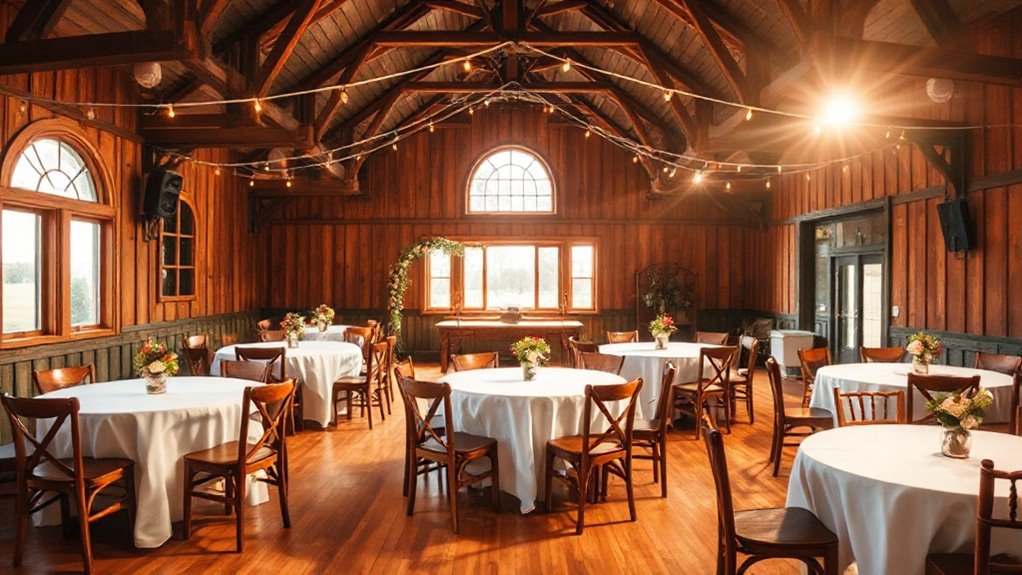
Community halls, VFW posts, Elks lodges, and civic buildings deliver genuine architectural character — exposed beams, vintage details, large open floor plans — for $200 to $800 in rental fees, a small fraction of comparable private venue pricing.
Questions worth asking before booking a community hall:
- Is a certified caterer required, or can any licensed caterer be used?
- What is the maximum guest capacity, and does that include standing room or seated only?
- Is alcohol permitted, and does it require a separate permit or licensed bartender?
- What time does the rental period start and end, and what is the overtime fee structure?
- Is there a kitchen available for caterer use, and what equipment does it include?
- Are tables and chairs included, or do they need to be rented separately?
Community halls often have more restrictive rules than private venues — noise ordinances, earlier end times, stricter alcohol policies — but the cost savings frequently justify working within those constraints. Consider enhancing your decor with adjustable backdrop stands to create a beautiful focal point for your ceremony or reception.
What a Backyard Wedding Venue Actually Costs
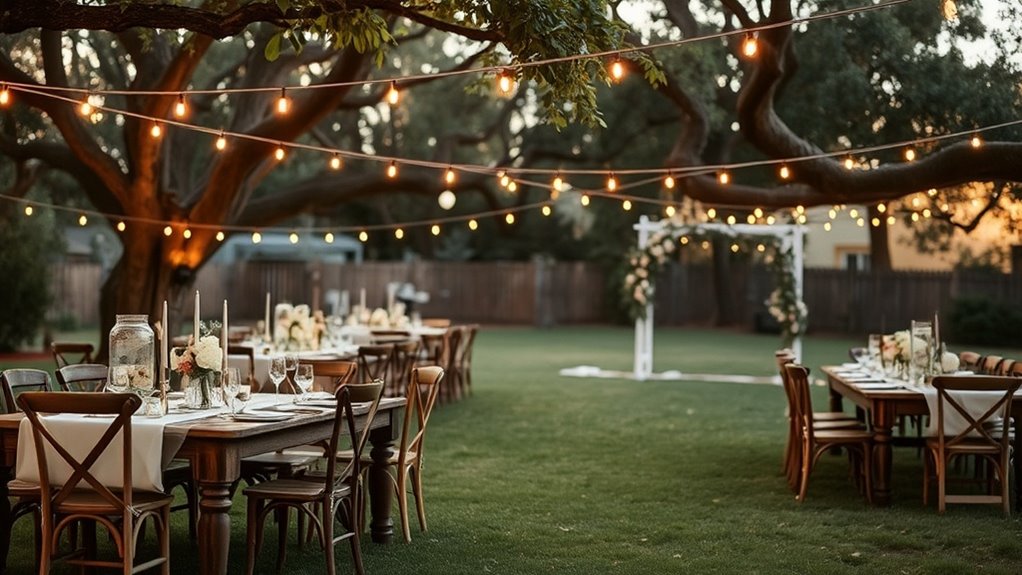
That “free” backyard wedding isn’t actually free. Once tents, portable toilets, generators, and rental furniture enter the picture, backyard weddings typically run $3,000 to $8,000 — sometimes exceeding the cost of a modest traditional venue that already includes those elements.
The real cost breakdown for a backyard wedding:
Tent rental — $500 to $2,000 depending on size and whether sidewalls, lighting, and flooring are included
Portable restroom rental — $150 to $500 for standard units, more for upscale trailer restrooms appropriate for formal events
Generator rental — $100 to $400 if the property’s existing electrical capacity can’t support event lighting, sound, and catering equipment simultaneously
Table and chair rental — $300 to $1,000 depending on guest count and furniture style
Parking and traffic management — often overlooked, but residential streets frequently can’t accommodate wedding guest parking without a plan, sometimes requiring a shuttle service or designated off-site parking with transportation
A backyard wedding can still cost less than a traditional venue, particularly for smaller guest counts, but budgeting for the full picture — not just the “free” venue — prevents the total cost from becoming an unpleasant surprise mid-planning. To create a stunning atmosphere, consider incorporating floral decor that complements sunset colors for an inviting ambiance.
Off-Peak Dates That Slash Wedding Venue Prices
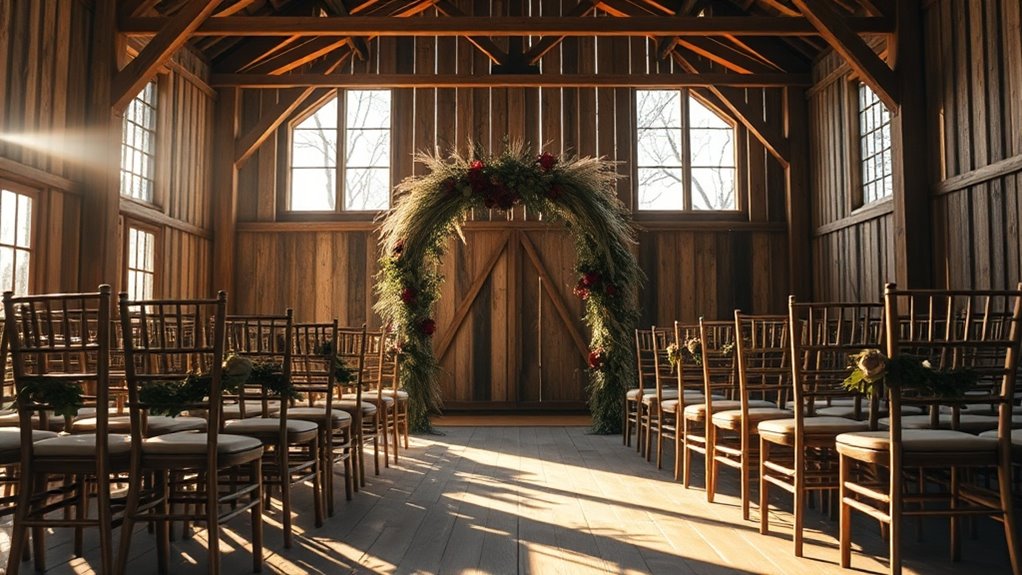
Same venue, same caterer, significantly different price — wedding venue pricing fluctuates dramatically based on date, and off-peak timing can cut rental fees by 30% to 50%.
Day of the week matters enormously. Saturday pricing represents peak demand; Friday evening or Sunday afternoon weddings frequently run 20-30% below Saturday rates at the same venue.
Season affects pricing significantly in most markets. Late fall through early spring — excluding major holidays — typically sees the lowest venue rates as demand drops outside the traditional spring and summer wedding season.
Time of day also factors in. Morning or early afternoon weddings with brunch-style receptions often cost less than evening events, partly due to shorter rental windows and reduced catering and bar costs.
Venues are frequently willing to negotiate more aggressively on dates they haven’t booked as the date approaches — asking about last-minute availability for a date within 60-90 days can surface significant discounts on venues eager to fill an otherwise empty calendar slot. Additionally, planning your wedding during spring wedding season can often lead to more affordable options as venues may have lower demand.
How to Negotiate a Better Deal on Any Venue

That “final” venue quote is rarely actually final. Venue coordinators build in padding on several line items specifically because they expect couples to negotiate.
Ask what’s included versus what’s optional. Tables, chairs, linens, and setup/breakdown labor are sometimes bundled into the base price and sometimes charged separately — clarifying this often reveals negotiable add-ons.
Request a discount for booking an off-peak date or time slot. Venues would rather fill a Tuesday or a February date at a discount than leave it empty.
Ask about price matching or reduced rates for referrals. Some venues offer reduced rates for couples who found them through a recent past client, or will match a competing quote from a comparable local venue.
Negotiate the payment schedule, not just the price. If the total price isn’t flexible, ask about deposit amount and payment timeline — sometimes a venue will hold pricing steady but offer more favorable payment terms.
Ask directly what can be removed to lower the price. If a package includes elements the couple doesn’t need — an on-site coordinator, specific decor packages, extended hours — removing them sometimes reduces the total more than a straightforward discount request would.
Questions to Ask Before Signing a Venue Contract

Venue contracts hide fees that quietly drain thousands from a budget if they’re not surfaced before signing. These questions force hidden costs into the open:
- What is the total cost including all mandatory fees — cleaning, security, insurance, service charges?
- Is a security deposit required, and under what conditions is it withheld?
- What is the cancellation and rescheduling policy, and are there date-change fees?
- Is liability insurance required, and does the venue have a preferred provider or minimum coverage requirement?
- What happens if the event runs past the contracted end time — what is the overtime rate?
- Is there an approved vendor list, and what is the fee for using an outside vendor if allowed?
- What are the noise ordinance restrictions and enforcement consequences?
- Who is responsible for setup and breakdown, and what is included in that labor?
Getting answers to these questions in writing — not just verbally from a coordinator — protects against disputes if the actual bill doesn’t match verbal assurances. These are the exact questions that force hidden costs into the open. Additionally, understanding essential accessories can help you budget more effectively for your wedding attire, ensuring you allocate funds wisely.
Hidden Fees That Can Wreck a Cheap Venue Deal

That $2,000 venue quote can quietly become $5,000 through a series of line items that rarely appear in the initial pricing conversation.
Cake-cutting fees — some venues charge $2 to $5 per guest if outside catering brings in a wedding cake, even when the venue isn’t providing any cake-related service.
Corkage fees — venues allowing outside alcohol often charge $10 to $25 per bottle opened, which adds up quickly for larger guest counts.
Overtime charges — exceeding the contracted rental period, even by 15-30 minutes, frequently triggers a penalty fee calculated at a premium rate compared to the base hourly cost.
Vendor coordination fees — some venues charge a flat fee, sometimes several hundred dollars, for coordinating with outside vendors who aren’t on their approved list.
Cleaning and damage fees — beyond the standard security deposit, some venues assess additional cleaning charges for specific situations — confetti, certain decor materials, candle wax — that aren’t always disclosed upfront.
Weather contingency planning also carries hidden costs for outdoor venues — tent rental as a backup plan needs to be budgeted even if the primary plan is an outdoor ceremony, since booking a tent last-minute due to forecast changes typically costs significantly more than booking it as a planned contingency from the start. Always check for weather contingencies that could add unexpected costs.
Frequently Asked Questions
Do I Need Wedding Insurance for a Cheap or Non-Traditional Venue?
Yes, in most cases — and the cost is minimal relative to the protection provided. Wedding liability insurance typically costs $75 to $185 for a one-day policy and covers property damage or injury claims that could otherwise become the couple’s direct financial responsibility. Non-traditional venues — backyards, public parks, breweries not typically used for events — often carry more liability exposure than venues with established event insurance and experienced staff. Many public venues and some private ones require proof of insurance as a condition of the rental contract. At $150 or less, wedding insurance is one of the least expensive protections in the entire budget relative to the financial risk it covers.
How Far in Advance Should I Book an Affordable Wedding Venue?
Budget-friendly venues — particularly non-traditional and public options — tend to book faster than premium venues because there are fewer available options at that price point in most markets. For popular dates (Saturdays, spring and fall weekends), booking 9 to 12 months in advance is advisable for affordable venues. For off-peak dates and times, booking 4 to 6 months ahead is often sufficient, and last-minute availability within 60-90 days sometimes surfaces significant discounts on unbooked dates. The exact window depends heavily on local market demand — checking availability early, even before finalizing other wedding details, prevents losing a desired budget venue to another couple.
Can I Bring My Own Alcohol to Save Money at Venues?
Often yes, and BYOB can reduce bar costs by 50% to 60% compared to a venue-provided bar service. The critical detail to verify first is whether the venue requires a licensed bartender to serve alcohol even when the alcohol itself is provided by the couple — most jurisdictions require this for liability reasons, and skipping it can violate both venue policy and local liquor law. Corkage fees may apply even under a BYOB arrangement. Confirming the specific alcohol policy — permitted, prohibited, or permitted with a licensed server requirement — before finalizing bar plans prevents a policy violation from threatening the event itself.
What Permits Are Required for Weddings at Unconventional Locations?
Permit requirements vary significantly by location and venue type, but commonly required permits include special event permits for public parks and beaches, noise permits for amplified sound in residential or public areas, alcohol service permits if serving alcohol in a public space, and fire permits if using open flames, sparklers, or certain lighting equipment. Tent installations sometimes require separate permits depending on size and local building codes. The specific requirements should be confirmed directly with the relevant municipal department — parks and recreation, city clerk, or fire marshal’s office depending on the permit type — at least 60-90 days before the event to allow processing time and avoid a permit denial close to the wedding date.
How Do I Handle Guest Transportation to a Remote Cheap Venue?
Chartering a shuttle bus or van service is frequently more cost-effective than assuming guests will use individual rideshares, particularly for remote venues where rideshare availability may be limited or surge pricing during a busy period could be a factor. A single shuttle running between a central hotel and the venue, on a set schedule, typically costs $300 to $800 for several hours of service — often less than the aggregate cost of dozens of individual rideshare trips, and guests generally appreciate not needing to coordinate their own transportation to an unfamiliar location. For venues with limited parking, transportation planning isn’t just a convenience — it may be a practical necessity to avoid a parking capacity problem on the wedding day itself.